Konan BBQ Podcast
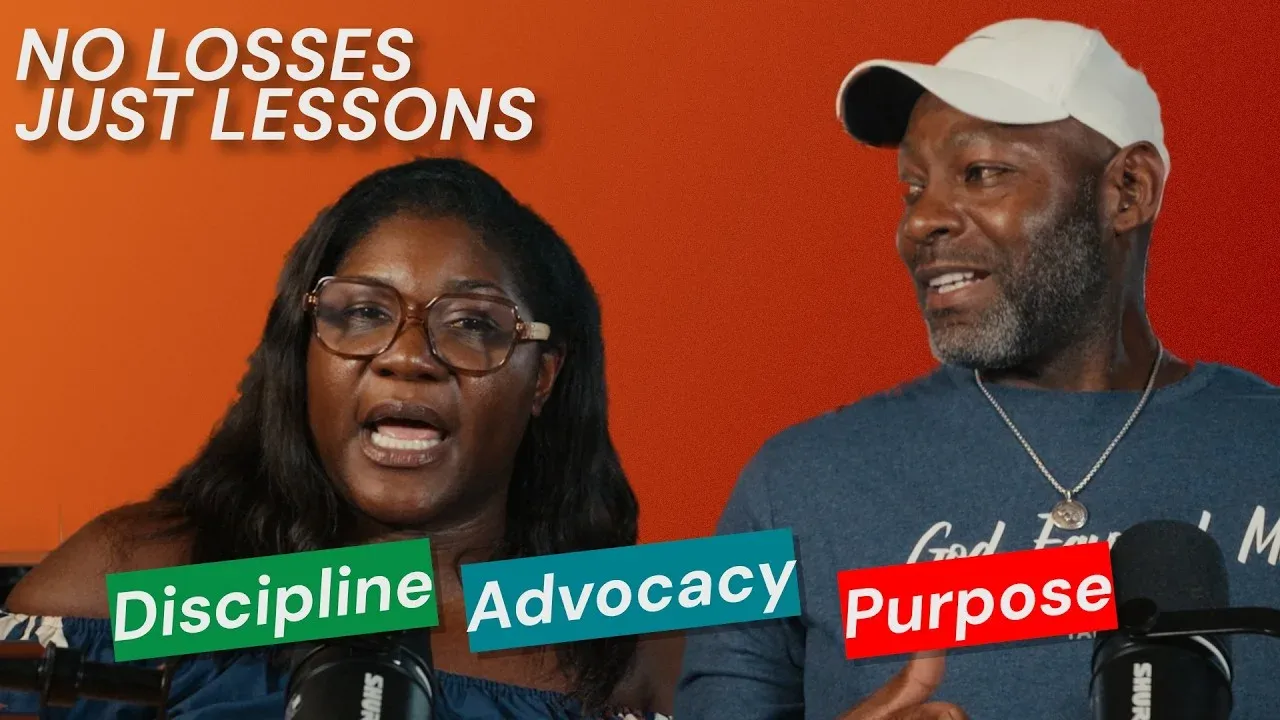
An ongoing production partnership that transformed No Losses, Just Lessons from an early-stage recording into a polished, cinematic video podcast.
My role: Podcast producer, videographer, editor, and audio engineer
Overview
I handle the recording, editing, audio, short clips, and publishing for Konan BBQ’s No Losses, Just Lessons, a long-form video podcast hosted by Mike Trigg. The partnership began in June 2024 and remains active.
The original episode, released before I joined the project, provides a starting point for exploring the production changes. My first episode established a new direction, and later work reflects continued testing and refinement of the workflow.
Building a better podcast system
The production did not improve because of one camera or one microphone. It improved through repeated experimentation across the entire chain: capture, lighting, gain staging, dialogue processing, editing, color, and final delivery.
We tested different microphone options before standardizing on Shure MV7+ dynamic microphones. Inline preamp boosters provide stronger, cleaner gain at the recording stage. In post-production, I shape the dialogue with careful EQ and FabFilter processing, then use AI-assisted noise reduction to control room noise without making the voices sound artificial.
A more cinematic image
The current multi-camera setup is built around Panasonic Lumix S5IIX cameras and Sigma lenses. That combination gives me a strong image with enough flexibility to match angles consistently and create separation between the guests and the room.
I edit and color grade every episode in DaVinci Resolve. Rather than applying a generic filter, I balance the cameras, refine skin tones, manage contrast, and build a subtle film-inspired look that feels intentional while keeping the conversation natural.
Turning each episode into more content
The long-form episode is only the beginning of the publishing workflow. We use OpusClip’s AI tools to identify strong moments from each conversation and automatically generate multiple short-form clips. I review the results, prepare the strongest clips for publishing, and place them on a consistent release schedule so one recording can continue reaching viewers after the full episode is released.
This workflow gives each podcast session a full-length episode and a selection of reviewed short clips, without manually rebuilding each short from scratch.
Before, first, and now
The three featured episodes document the progression honestly: the podcast before my involvement, the first episode I produced, and the strongest example of the current standard. Together, they show a substantial improvement in dialogue clarity, camera consistency, color, and overall production polish.
This remains an active partnership. The workflow will continue evolving as we produce new conversations and find better ways to serve the podcast’s guests and audience.
Deliverables
- Recurring podcast production
- Multi-camera videography
- Audio recording and engineering
- Video editing and color grading
- Short-form clip production and scheduling
- Production workflow development
Details
- Duration
- June 2024–present
Tools and equipment
Panasonic Lumix S5IIX, Sigma lenses, Shure MV7+ microphones, Microphone preamp boosters, DaVinci Resolve, FabFilter, OpusClip
Before and after
These are different episodes recorded at different times and locations, rather than a controlled comparison of the same scene. Listen to the dialogue and look at lighting, skin tones, and consistency between camera angles to explore the production approach.
Before the partnership
June 9, 2024
The podcast's original first episode shows the production before I joined the project, providing a clear baseline for the recording, sound, lighting, and visual presentation.
Current production standard
May 30, 2026
This episode reflects the current workflow after sustained experimentation and refinement, with cleaner dialogue, more controlled color, a cohesive multi-camera image, and a deliberate film-inspired finish.
First episode I produced
Explore the videos below, with context for each recording.
Building Strong Relationships: From Dating to Marriage and Family
June 21, 2024
Published less than two weeks after the original episode, this was my first production for the podcast and the starting point for the ongoing technical and creative improvements that followed.
Watch Building Strong Relationships: From Dating to Marriage and Family on YouTubeOutcomes
- Raised the visual and audio quality across an ongoing podcast series
- Developed a repeatable multi-camera production and post-production workflow
- Established a more cinematic film look through lighting, lenses, and color grading
- Improved dialogue clarity with dedicated microphones, gain staging, EQ, and noise reduction